
I first heard rumors of a variety of Pears bearing my family name, in the summer of 2006 from my cousin Lindell Koonce (1926 – 2018). He had stumbled upon the image above in an internet search and it triggered childhood memories. We later discovered that the photo came from a book titled, The Pears of New York, by U.P. Hendrick. Lindell and my dad, Elmer W. Koonce (1916 – 2012), had only vague recollections of their elders discussing the Koonce Pear. Seventy or eighty years had passed, the subject was of no interest to them as young boys and the history predated them by a few decades.
This sent me down quite the rabbit hole. My research lead me to an array of horticultural society articles discussing its merits and more details in nursery catalogs from George Gould & Sons. Apparently, around 1885, Mr. Gould discovered that my great grandfather and name sake, Nicholas Koonce (1830 – 1906) was enjoying a unique variety pear in the town of Villa Ridge, in Pulaski county Illinois. In 1893 Mr. Gould introduced the Koonce Pear at the World’s Columbian Exposition. AKA the Chicago World’s Fair. There it was exhibited as a new fruit and “was pronounced by competent judges to be of good quality, and can surely be recommended for trial.” The American Pomological Society added Koonce to its list of fruits in 1909.
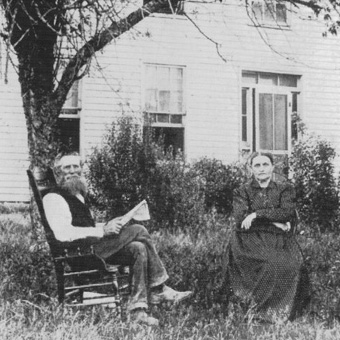
Villa Ridge, Illinois, Circa 1900.
Could that be a pear tree?
By 1921, when U. P. Hendrick published The Pears of New York, this variety appears to have grown to considerable acclaim. The full text of this book is available online and the description of the Koonce pear is on page 183. The book states that “Koonce is a popular early variety grown rather commonly in nearly every pear region in the United States. It is listed by nearly all nurserymen”. Unfortunately, the author seems to have failed to thoroughly research the origins and states “no one seems to know by whom, or at what time, or in what locality” it originated.
Then around 1925, it simply faded in to obscurity. By the time I took an interest, in 2006, no verifiable sources were known to exist in the United States. Hendrick notes of the fruit, “The pears decay quickly after maturity and are suitable only for home and local markets”. No doubt that the lack of commercial viability contributed to this variety’s near demise.
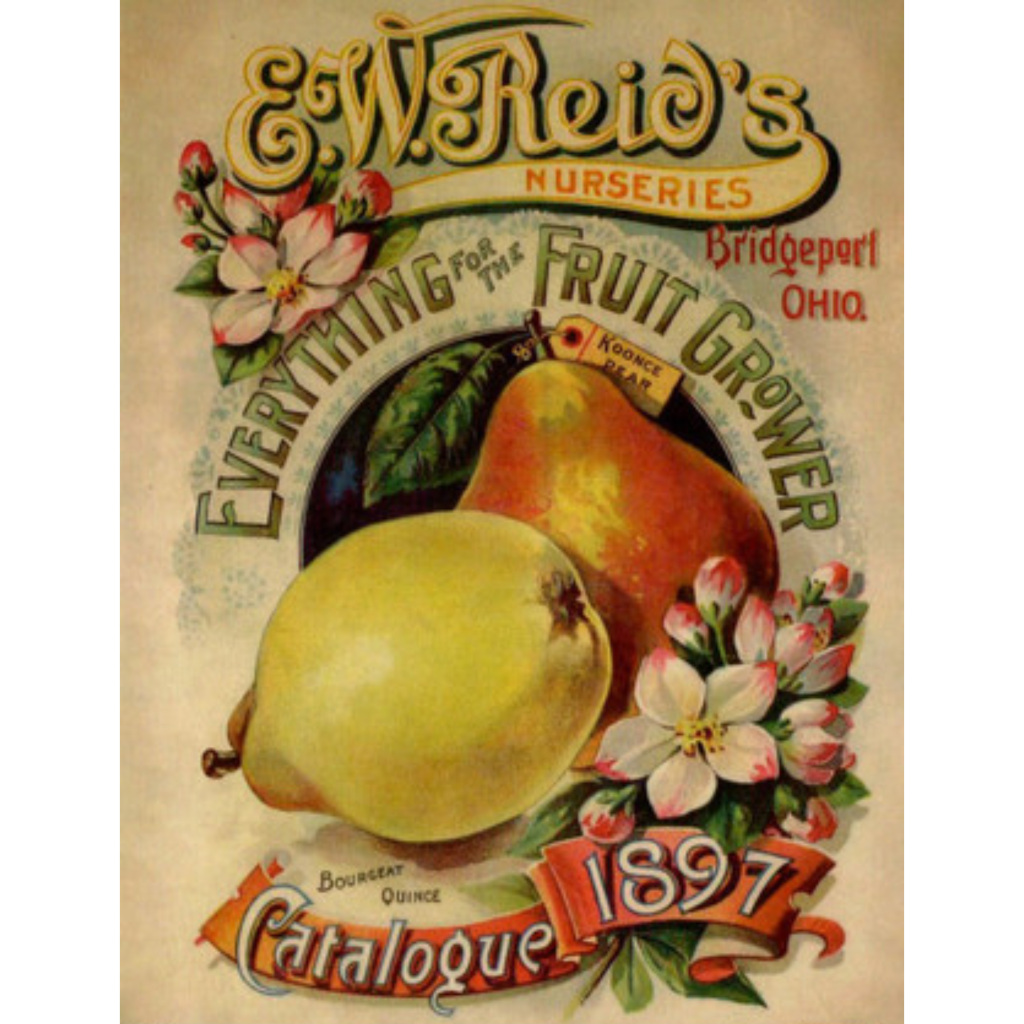
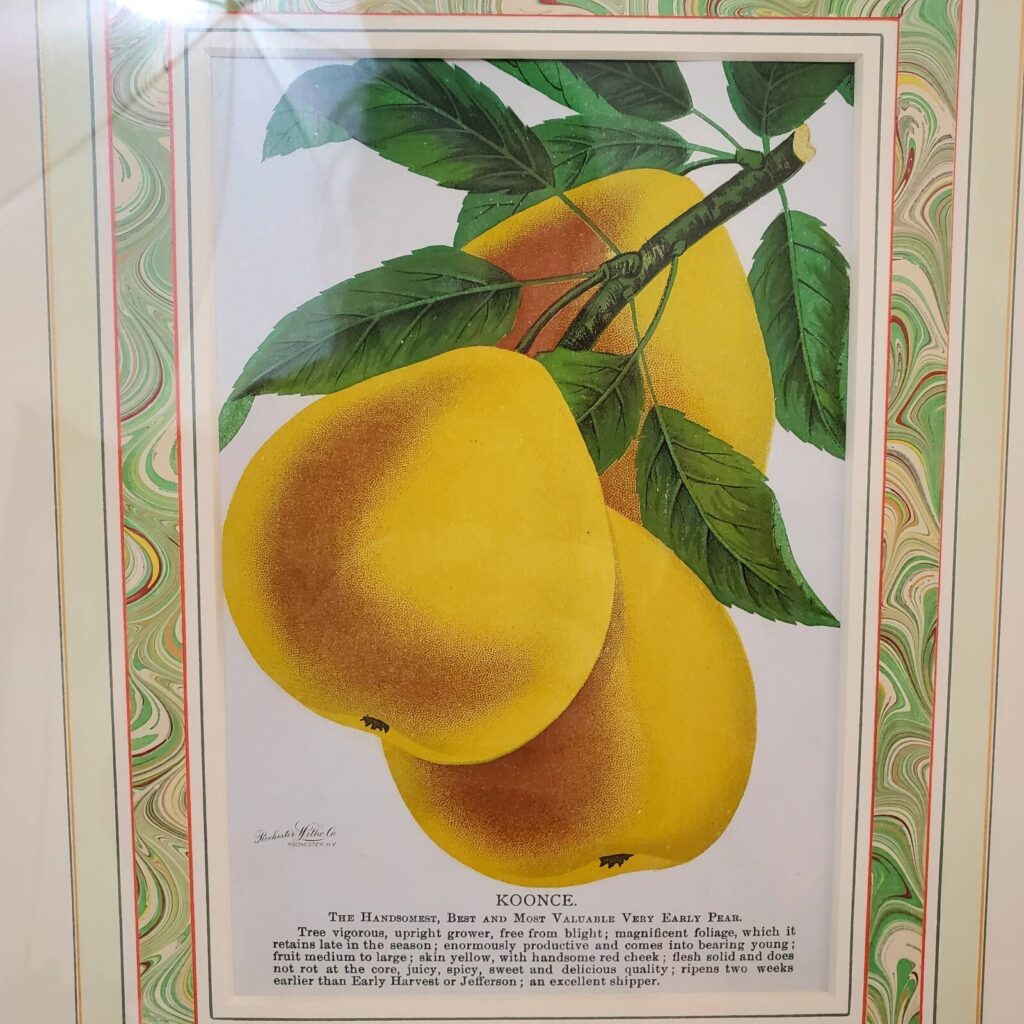
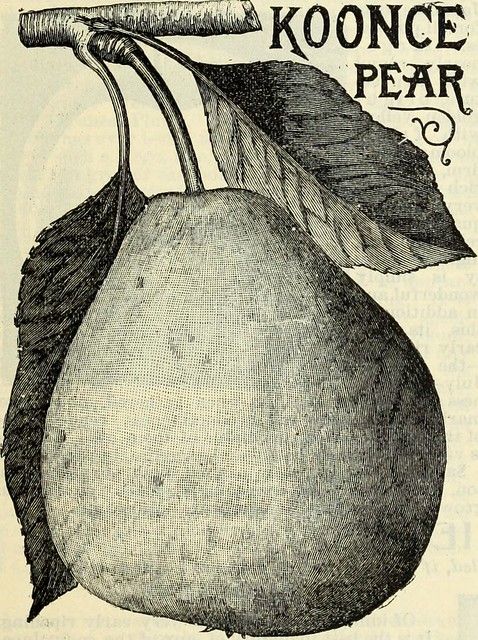
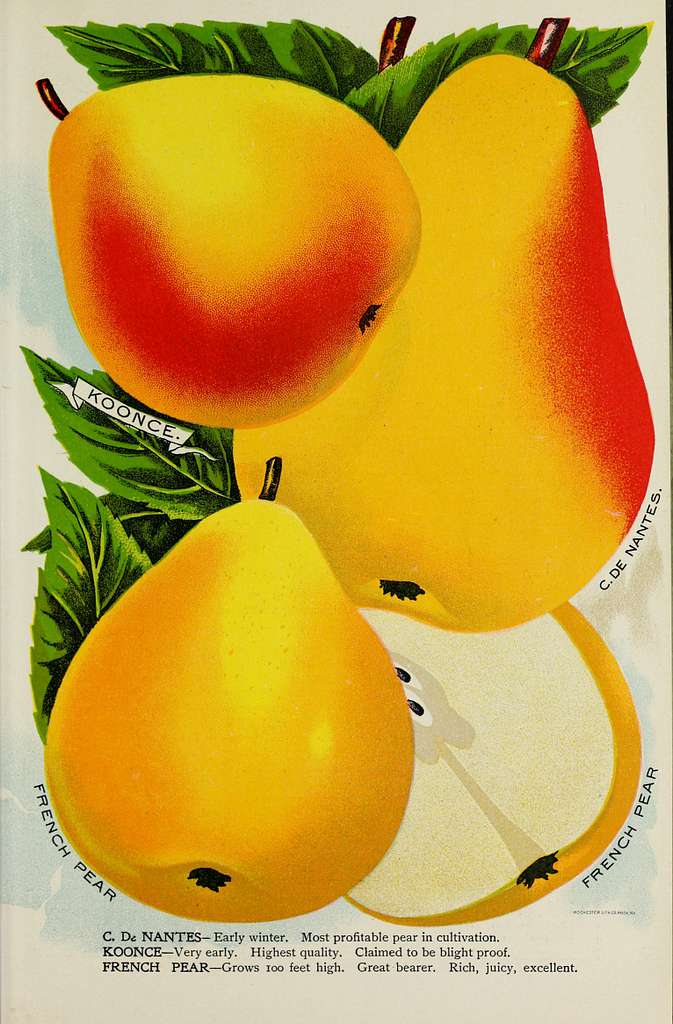
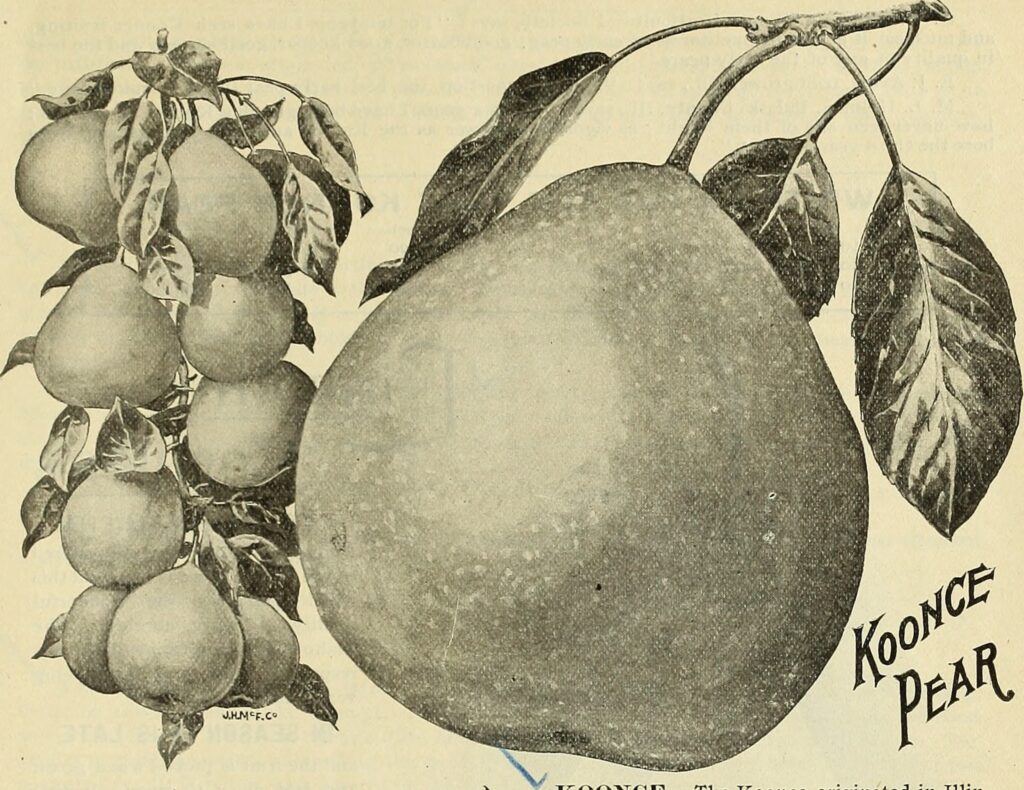
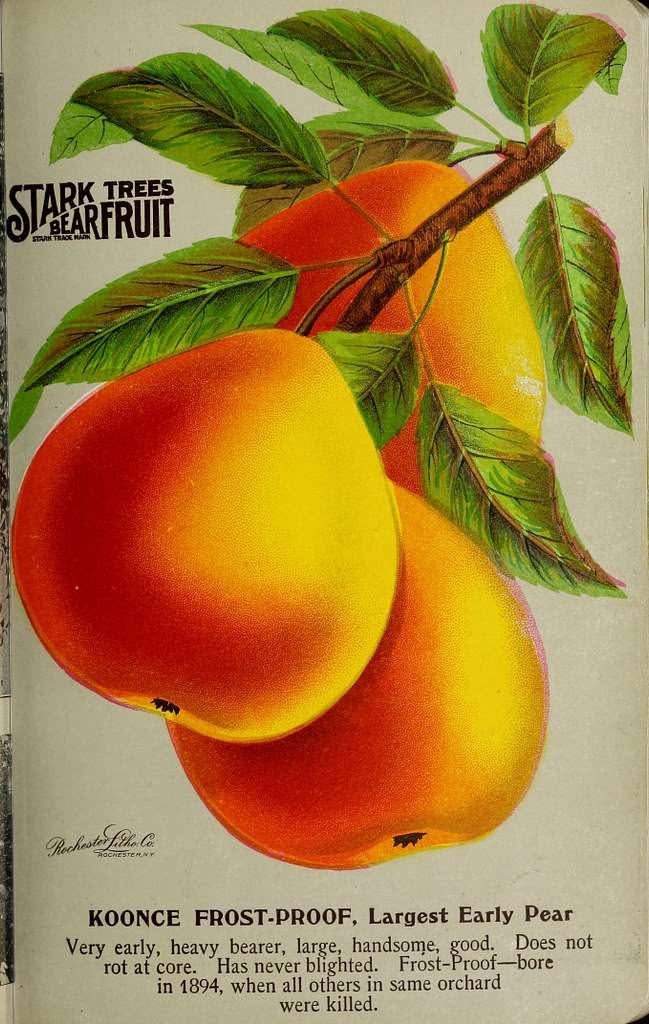
A small gallery of historic images featuring Koonce Pears that I have collected.
The USDA Agricultural Research Service confirmed that most of the important heirloom pear cultivars listed in the Hendrick’s book were growing in the collection at the National Clonal Germplasm Repository (NCGR) in Corvallis, OR. Through correspondence with NCGR in early 2007, I learned that of roughly 80 or so important pears listed in The Pears of New York, the Koonce was among 16 cultivars not in their collection at that time. However, their search had lead them to a specimen at the National Fruit Collection, in England. The NCGR purchased some scionwood in the winter of 2007. In February of 2008 the specimen arrived at the U.S.D.A. quarantine station in Beltsville, Maryland where it had undergone extensive testing. I patiently monitored progress as it remained in this state for almost 15 years, undergoing testing and related treatments for any potential pathogens.
Returning To My Roots
In July of 2022 I received five bare root Koonce Pear trees from the United States Department of Agriculture.
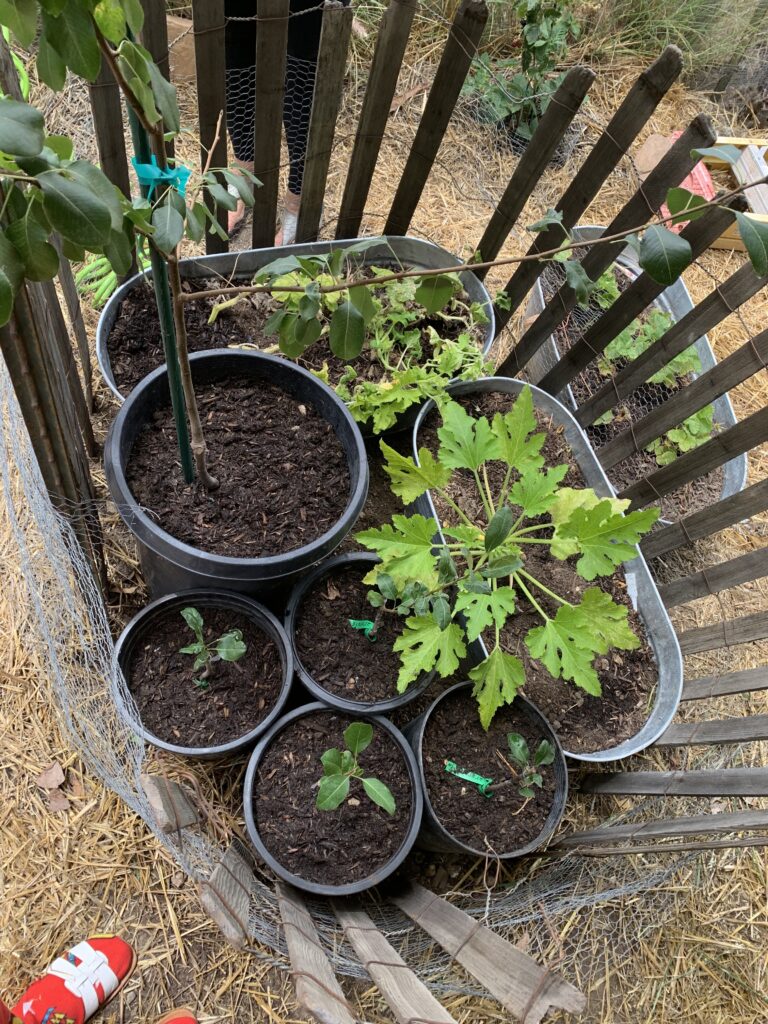
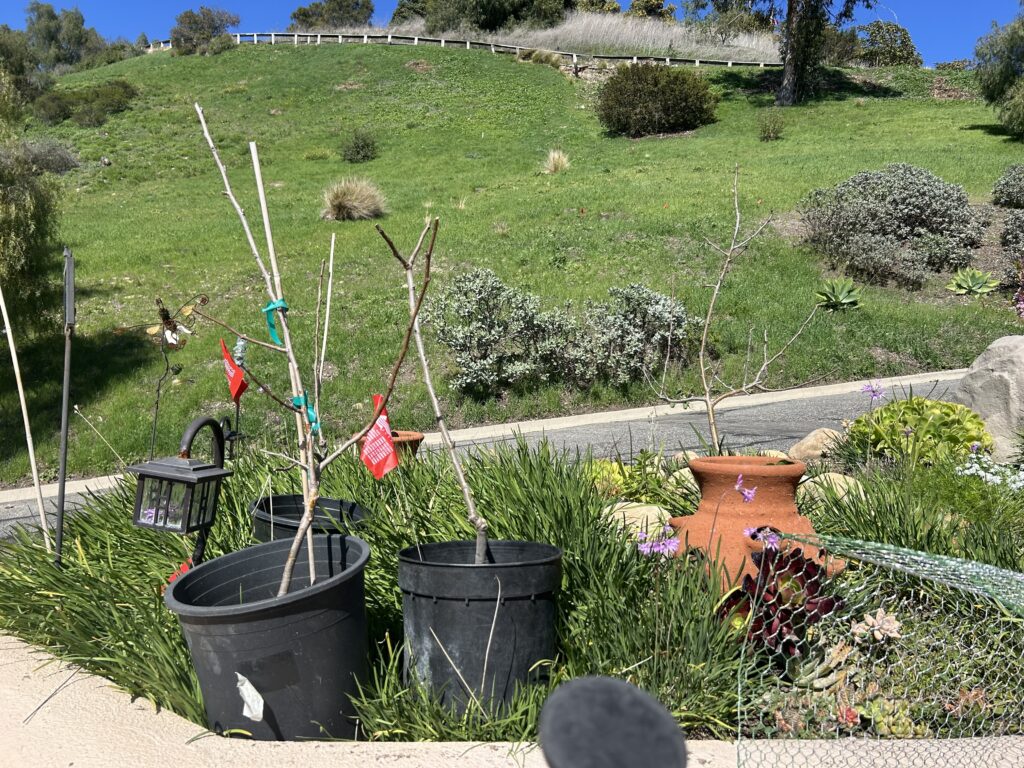
One was a year older and quite a bit larger than the others. It was grafted to seedling root stock. I was not told what variety but Bartlett is presumed. It has since become a landscape feature in front of my home. The other four were grafted to OHxF 87 root stock and were planted in 5 gallon nursery pots. One failed to recover after potting. The remaining three became the start of a new orchard. Sadly, 2.5 years in nursery pots and my poor water management seem to have stunted their growth.
The winter of 24/25 brought growth along with some renewed hope and enthusiasm. The larger of the trees I received had grown to over 5 feet tall and was developing some decent scaffolding. So we decorated it for Christmas.
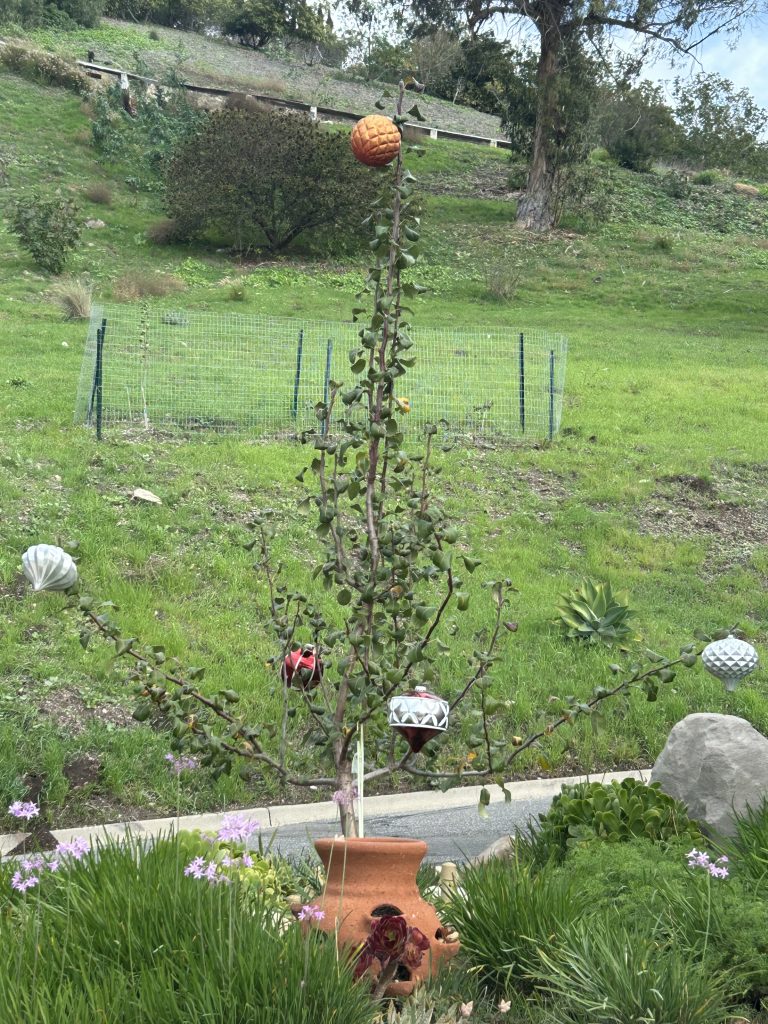
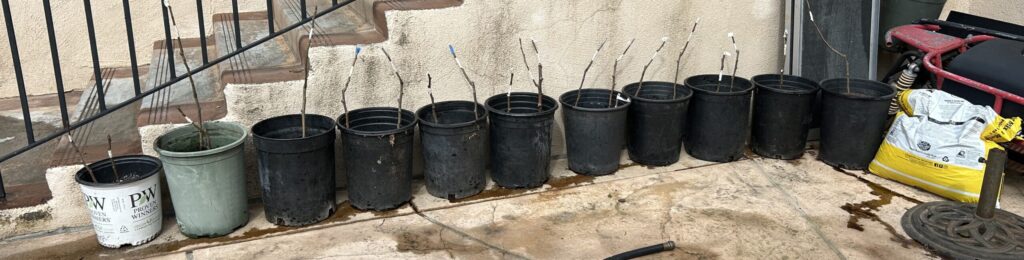
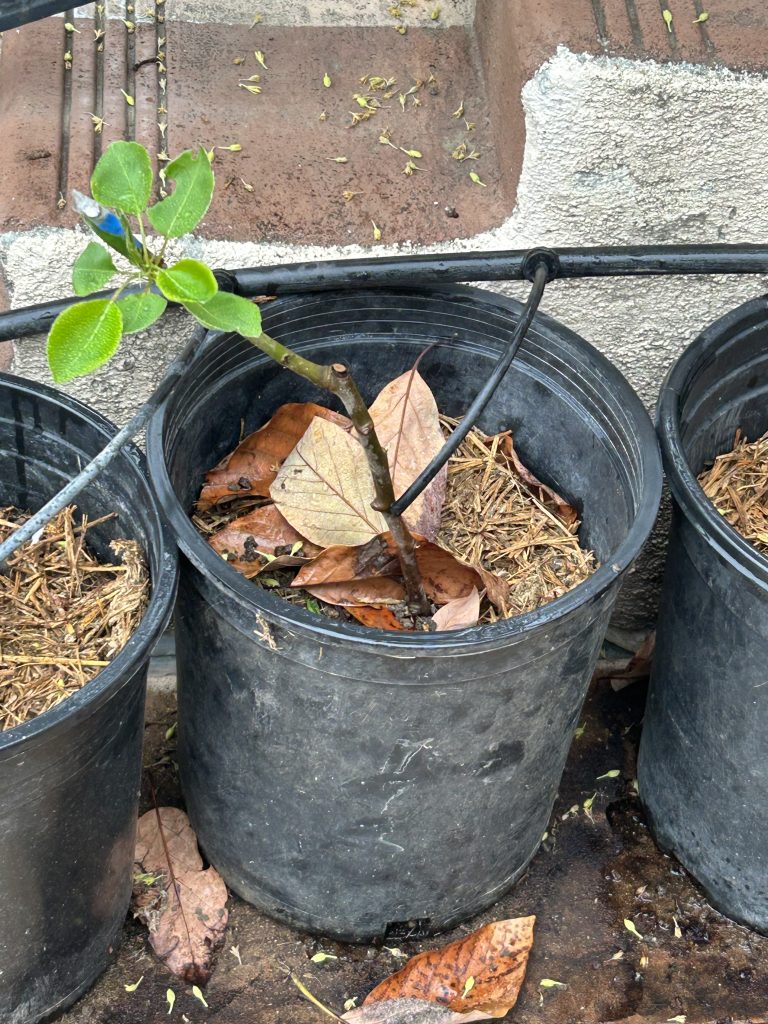
In the spring of 2025, I took some cuttings and grafted them to 20 new OHxF 87 root stocks.
Of those, 4 survived a year but their vigor was less than impressive. My grafting skills needed work.
Persevering
Nearly 20 years in to this journey it dawned on me, “do we even get enough chill hours to set fruit on this varietal?” We get an average of ~180 chill hours and it seems Koonce Pears may need 300-400. Despite my pitiful grafting efforts of the previous season, and the realization that the weather here in coastal California may be a show stopper… I pressed on.
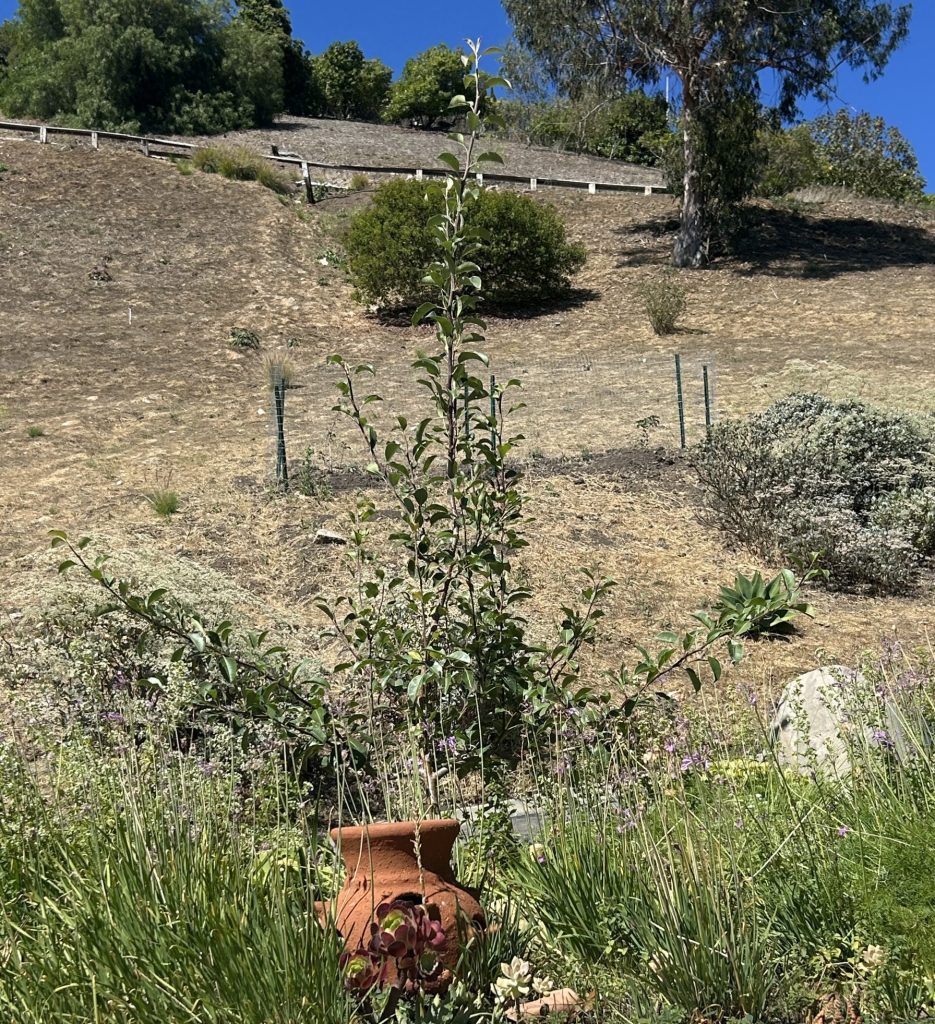
In 2026, the main tree got a lot bigger so I got to pruning.
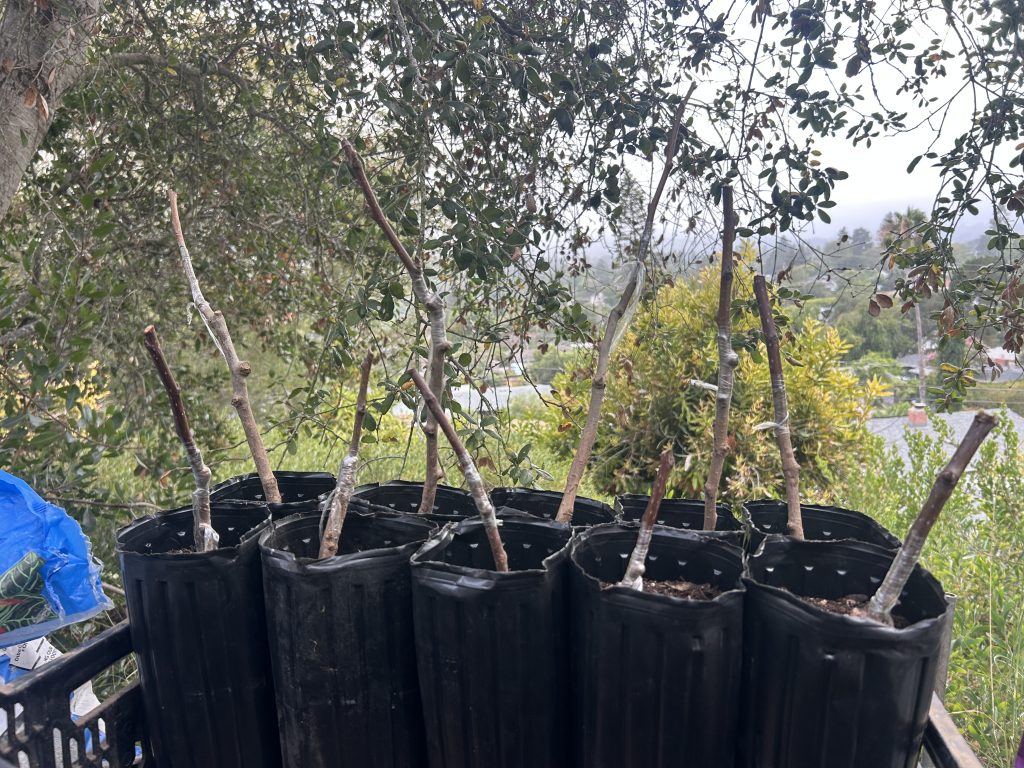
Pruning yields scion, so I ordered some more OHxF87 and commenced grafting, with markedly improved results.

These showed more vigor in 3 months than the previous year’s efforts ever did.

I also got to thinking that the root stock was getting expensive so I started a stool bed of OHxF87 as well.
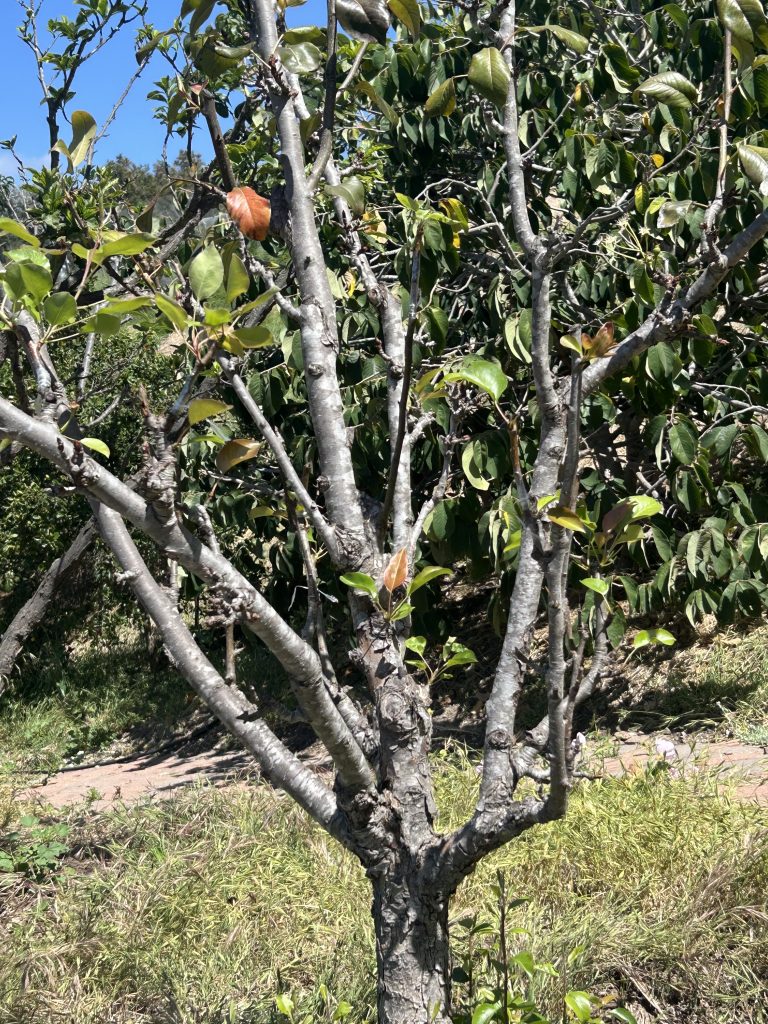
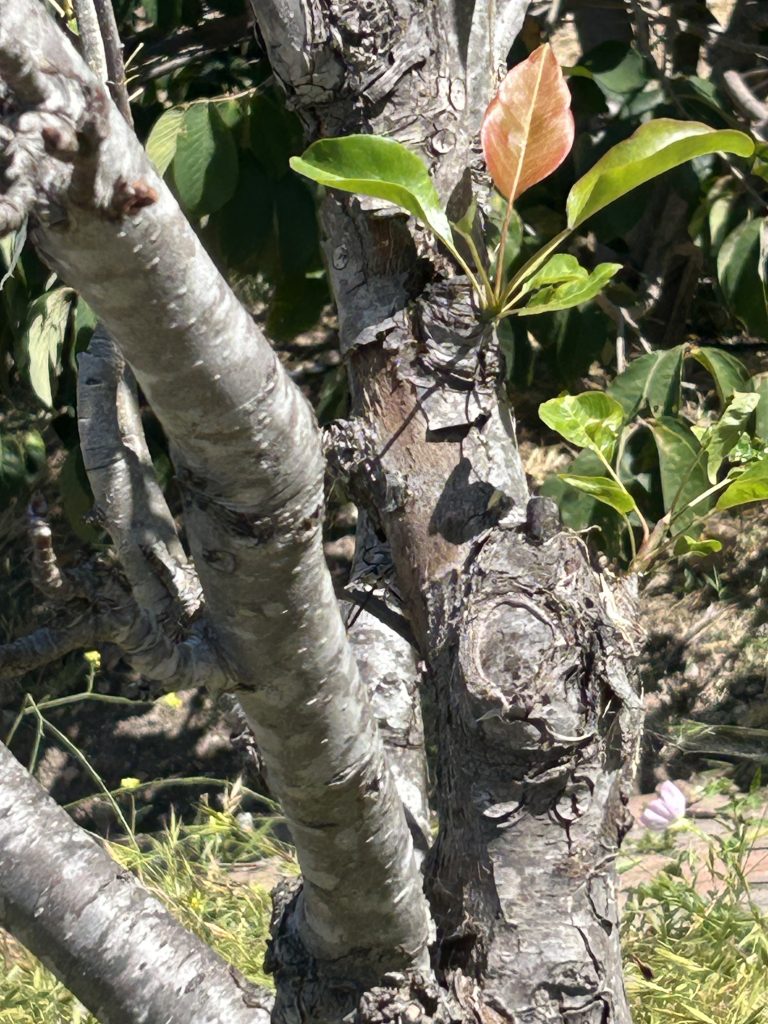
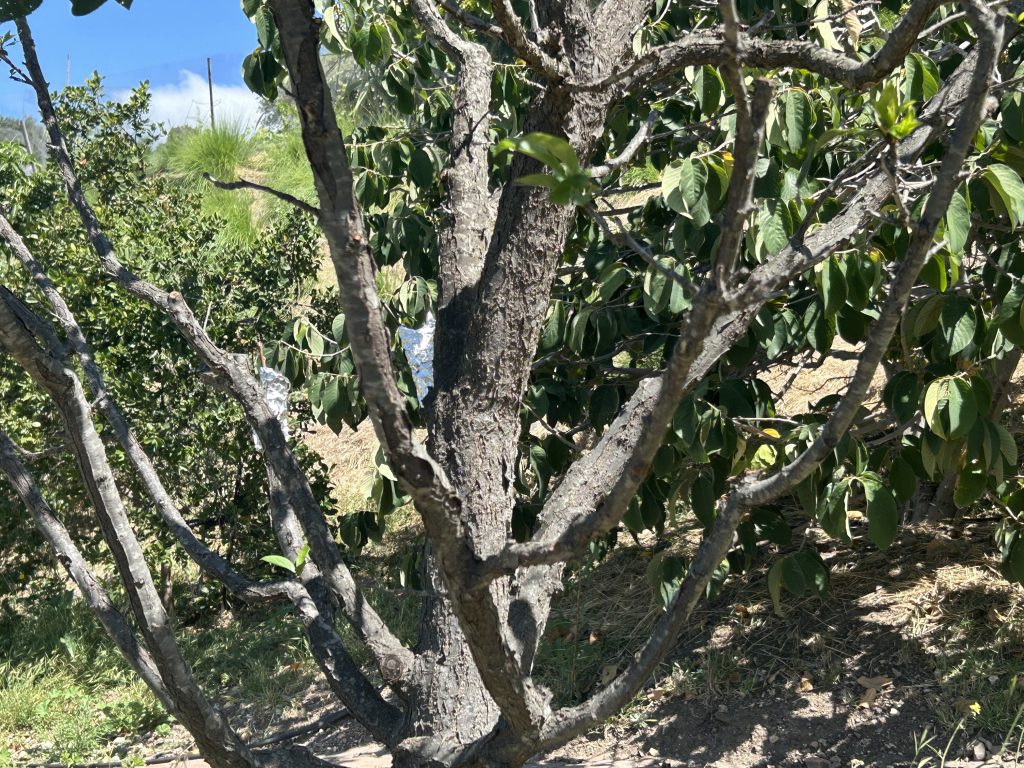
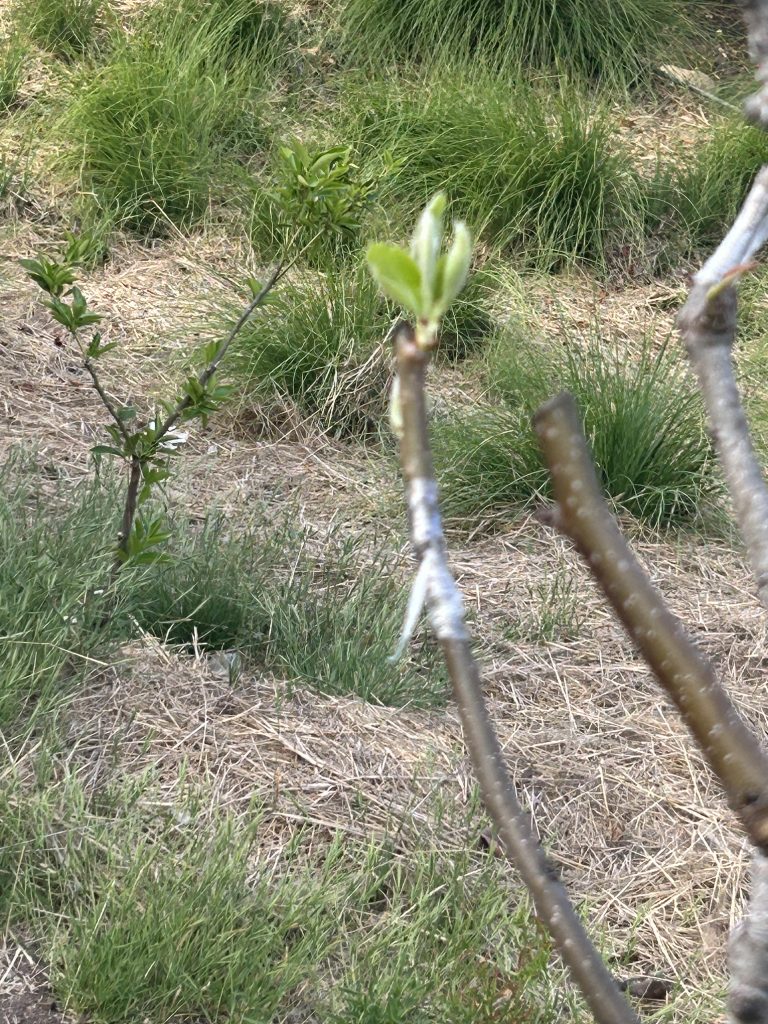
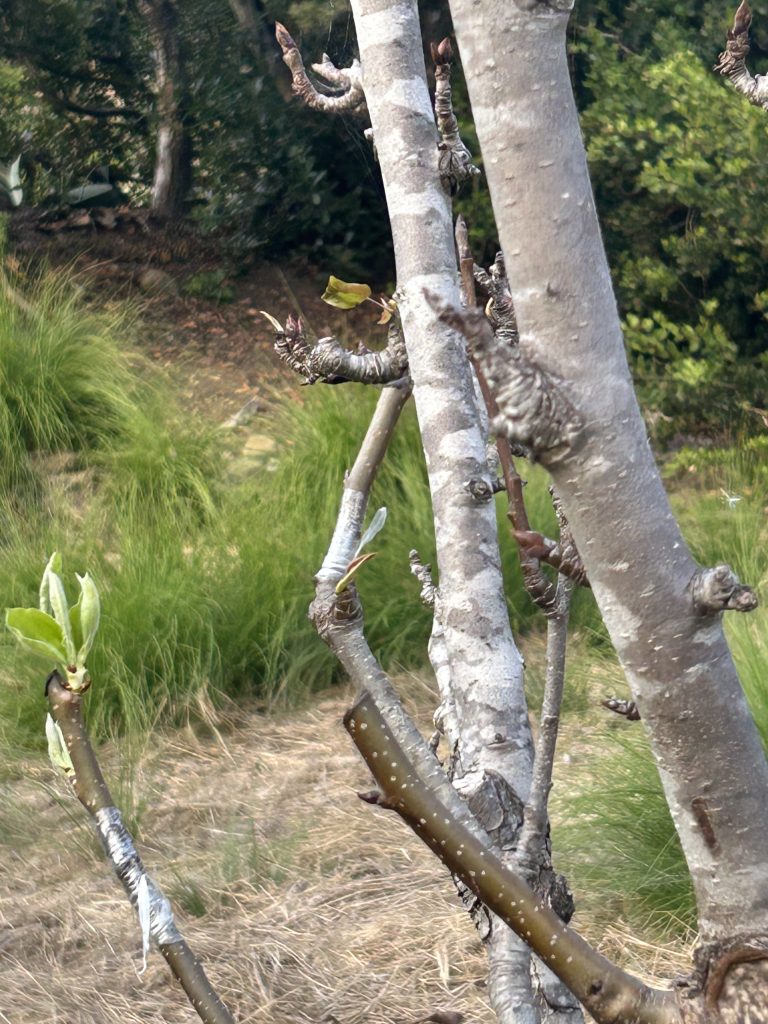
Inspired by my modest success with grafting to root stock and fueled by copious scions… I turned my grafting efforts towards an old neglected Monterey Pear tree. To which I grafted 10 scions and to my surprise… 8 quickly leafed out. Sadly, deer got to some of those fresh grafted shoots before I got it fenced in.
More to come…